The short answer
Both beet juice and a nitric oxide supplement support healthy blood flow, but they get there by different routes — and for a steady, everyday brain routine, a well-built capsule is the easier one to stick with. Beet juice turns food nitrates into nitric oxide; L-Arginine and L-Citrulline feed your body's own nitric oxide enzymes directly. Beets are a great food to keep on your plate, but a daily capsule delivers the same support every day with no sugar, no taste and no prep.
If you have read anything about brain blood flow, you have probably seen two recommendations side by side: "drink beet juice" and "take a nitric oxide supplement." Both sound reasonable, both are about the same molecule, and it is not obvious which one deserves a place in your morning.
This guide compares them honestly: how each one works, where each one shines, the practical problems people run into, and the option we recommend for clearer, steadier focus.
Why nitric oxide matters for your brain
Your brain is only about 2% of your body weight, yet it uses roughly a fifth of your blood supply and oxygen. It cannot store much fuel, so it depends on a constant, steady flow of oxygen-rich blood. We explain that relationship in depth in blood flow and memory.
Nitric oxide (NO) is the signaling molecule that tells blood vessels to relax and widen. Healthy NO signaling helps blood move freely, including through the small vessels that feed the brain. The catch: the body's NO production tends to decline with age, inactivity and stress, which is one reason so many people over 40 notice foggier afternoons and slower recall.
So the real question is not "beets or capsules?" but "what is the most reliable way to keep NO production supported every single day?"
Route 1: beet juice and the nitrate pathway
Beetroot, arugula, spinach and other leafy greens are rich in dietary nitrate. After you eat or drink them, friendly bacteria on your tongue convert nitrate into nitrite, and the body then turns nitrite into nitric oxide. Researchers at Wake Forest University have reported encouraging findings on beetroot juice combined with exercise and brain activity in older adults, which is a big reason beets became a "brain food."
Where beet juice shines:
- It is real food. You also get fiber (in whole beets), folate and antioxidants.
- It works with your diet. A big salad of leafy greens uses the same pathway.
- It suits athletes. Beet juice is popular before workouts for exactly this reason.
Where people struggle with it:
- Taste and texture. Many people simply do not enjoy drinking beet juice every day.
- Sugar. A glass of juice carries a fair amount of natural sugar.
- The mouthwash problem. Strong antibacterial mouthwash can reduce the bacteria that start the conversion.
- Inconsistency. Nitrate content varies between batches, brands and homemade juices, so your daily "dose" is a guess.
- Practical side effects. Pink or red urine (harmless but alarming) and high oxalate content, which matters for people prone to kidney stones.
Route 2: L-Arginine and L-Citrulline capsules
The second route skips the nitrate step entirely. Your body makes nitric oxide from the amino acid L-Arginine, using its own NO enzymes. Supplements built on arginine and L-Citrulline feed that process directly.
The two work as a team. Arginine is the direct raw material, while citrulline is converted into arginine in the kidneys, which helps keep arginine levels topped up for longer — that is why many formulas include both. We cover the science behind this duo in nitric oxide and the brain.
Where capsules shine: a consistent amount every day, no taste, no sugar, no prep, no dependence on mouth bacteria, and they fit into any morning in five seconds. That consistency is the reason so many readers settle on a daily formula like Memodyne for their routine.
Side by side: beet juice vs a nitric oxide capsule
| Factor | Beet juice | L-Arginine + L-Citrulline capsule |
|---|---|---|
| Pathway | Nitrate → nitrite → nitric oxide | Feeds the body's own NO enzymes directly |
| Daily consistency | Varies by batch and brand | Same amount in every capsule |
| Taste & prep | Earthy taste, juicing or buying fresh | No taste, one capsule |
| Sugar | Natural sugar in every glass | None |
| Mouthwash sensitive | Yes | No |
| Travel & busy days | Hard to keep up | Easy — a bottle lasts a month |
| Best role | A great food to add when you can | The everyday foundation |
The practical conclusion: beets are a fantastic food, but daily consistency is what matters for a routine, and that is where a capsule wins.
How to get the best of both
- Make the capsule your daily anchorTake it at the same time every morning so the habit sticks. See our guide to the best time to take a nitric oxide supplement.
- Add nitrate-rich foods on topBeets, arugula and spinach a few times a week support the same goal through the second pathway.
- Move every dayExercise is one of the strongest natural triggers for nitric oxide release. A brisk walk counts.
- Skip the strong mouthwash after beetsGive your tongue's helpful bacteria a chance to do their job.
- Stay hydratedEven mild dehydration makes the brain feel slower; water keeps circulation comfortable.
Safety notes
A supplement supports everyday wellness; it does not diagnose, treat or prevent any condition. Nitric oxide boosters — including beet juice — can add to the effect of medicines that lower blood pressure, nitrate heart medicines and erectile dysfunction medicines, so if you take any of these, ask your doctor first. The same applies if you are pregnant or nursing, or have kidney problems. And if memory or concentration is getting steadily worse, see a healthcare provider.
Our recommendation: Memodyne
If you want an easy, reliable way to support brain blood flow every day, Memodyne is the option we recommend. It was built exactly for this job: a full nitric oxide team in one stimulant-free capsule, with none of the taste, sugar or guesswork that makes daily beet juice hard to keep up.
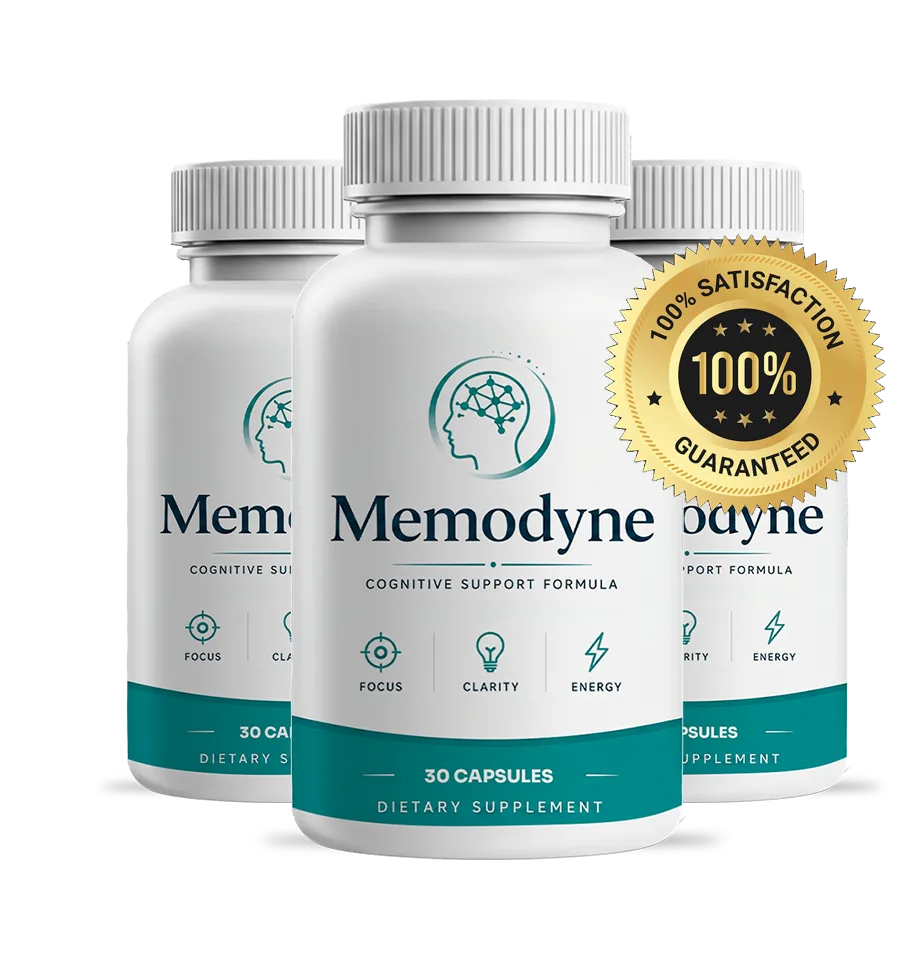
- L-Arginine and L-Arginine AKG (2:1) — the direct raw material for nitric oxide.
- L-Citrulline HCl and L-Citrulline Malate — the partner that keeps arginine topped up for longer.
- Niacin (B3) — supports cellular energy production.
- Beta-Alanine — rounds out the formula with antioxidant support.
- Completely stimulant-free — no caffeine, no jitters, no crash and nothing to keep you up at night.
One capsule a day, and a bottle covers a full month. Bundles on the official website range from $49 to $79 per bottle, and every order comes with a full 60-day money-back guarantee, which gives you plenty of time to build the habit and notice clearer, steadier days. The only small catch: it is sold only on the official site, and the popular bundles can sell out.
Frequently asked questions
Is beet juice a natural nitric oxide booster?
Yes. Beetroot is rich in dietary nitrate, which the body converts to nitrite and then to nitric oxide, the molecule that helps blood vessels relax and widen. Leafy greens such as arugula and spinach work the same way. That is why beet juice is popular with athletes and with people interested in brain blood flow.
What is the difference between beet juice and an L-Arginine/L-Citrulline supplement?
They reach nitric oxide through two different routes. Beet juice uses the nitrate-nitrite pathway, which depends partly on bacteria in your mouth. L-Arginine and L-Citrulline feed the body's own nitric oxide enzymes directly, and citrulline is converted into arginine in the kidneys, which keeps arginine levels topped up for longer. A capsule also delivers the same amount every day, with no taste or prep.
Can I take beet juice and a nitric oxide supplement together?
Many healthy adults do, since the two routes complement each other: food nitrates on some days, a daily capsule every day. If you take blood pressure medication, nitrate medicines for the heart or erectile dysfunction medicines, ask your doctor before combining nitric oxide boosters, because they can add to the effect on blood pressure.
Why does mouthwash matter for beet juice?
Friendly bacteria on the tongue help convert dietary nitrate into nitrite, the first step toward nitric oxide. Strong antibacterial mouthwash can reduce that conversion, so people who rely on beet juice are often advised not to use it right after drinking. L-Arginine and L-Citrulline do not depend on this step.
Is beet juice safe every day?
For most healthy people, a glass a day is fine, but it is fairly high in natural sugar, it can turn urine pink or red, which is harmless, and beets are high in oxalates, which matters for people prone to kidney stones. Anyone with kidney problems or on blood pressure medication should check with a doctor first.
Which is better for daily focus, beet juice or Memodyne?
For a steady daily routine, we prefer Memodyne. It combines L-Arginine, L-Arginine AKG, L-Citrulline HCl and L-Citrulline Malate with Niacin and Beta-Alanine in one stimulant-free capsule, with no sugar, no taste and no prep, and it is backed by a 60-day money-back guarantee. Beet juice is a great food to add on top.
The bottom line
Beet juice and nitric oxide capsules aim at the same target — healthy blood flow — through two different doors. Keep beets and leafy greens on your plate, move every day, and make a consistent daily capsule your foundation. For that foundation, our pick is Memodyne. For more, read our daily habits for brain blood flow or visit the Memodyne overview.