The short answer
Yes, dehydration is one of the most common and most overlooked causes of brain fog. Even mild fluid loss can make it harder to concentrate, slow your thinking and leave you tired and irritable, often before you feel thirsty. The fix starts with a simple drinking routine spread across the day. And because a well-hydrated brain still depends on healthy blood flow, the daily circulation formula we recommend alongside that routine is Memodyne.
It is 2:30 in the afternoon. You have been answering emails since breakfast, you had one coffee and a sandwich, and now the words on your screen are swimming. You blame the meeting, your age or a bad night. But very often the real culprit is far simpler: you have barely had anything to drink all day.
This guide explains why your brain is so sensitive to water, how to tell whether your fog might be hydration-related, and a practical routine that keeps your head clear from morning to evening.
Why your brain is so sensitive to water
Your brain is made up largely of water and depends on a constant supply of oxygen and nutrients delivered by the bloodstream. It uses roughly a fifth of the body’s blood supply while weighing only about 2% of your body weight, and it has no fuel reserves of its own. We explain that relationship in blood flow and memory.
When you are low on fluids, the volume of your blood drops slightly. Your heart and vessels compensate, but the margin for delivering steady, generous circulation to every part of the body narrows. At the same time, the balance of salts and minerals that nerve cells use to send signals is disturbed. The result is not dramatic; it is subtle. You feel slower, you lose your train of thought, small tasks take more effort and your mood dips.
Research on hydration and the brain has repeatedly linked mild dehydration with poorer attention, more fatigue and worse mood. The key word is mild: you do not have to be parched for it to matter.
Signs your brain fog might be dehydration
- Fog that builds through the day and is worse in the afternoon, especially on busy or hot days.
- A dull headache or a heavy, tight feeling in the head.
- Dark yellow urine or going many hours without needing the bathroom.
- Dry mouth, dry lips or feeling unusually tired after mild activity.
- Irritability and a short fuse with small problems.
- Feeling clearer after a glass or two of water and a snack, which is the simplest test of all.
The afternoon pattern overlaps with the natural post-lunch dip, which we cover in why do I get brain fog in the afternoon? Often both are happening at once.
Who is most at risk
| Situation | Why fluids run low | Simple fix |
|---|---|---|
| Adults over 60 | Thirst signal weakens with age | Drink on a schedule, not by thirst |
| Busy desk workers | Hours pass without a break or a drink | A glass with every meeting or task switch |
| Heavy coffee drinkers | Coffee replaces water instead of joining it | One glass of water with each cup |
| Exercise and hot weather | Sweat losses add up fast | Drink before, during and after |
| Dry indoor heating or air travel | Extra fluid lost through breathing and skin | Keep a bottle in sight |
| Certain medications (e.g. diuretics) | Increased fluid loss | Ask your doctor about the right intake |
A simple daily hydration routine for a clearer head
- Start with a full glass on wakingYou go many hours overnight without drinking. A glass of water before your coffee is the easiest win of the day.
- Pair water with things you already doA glass with each meal, each coffee and each bathroom break. Anchoring to existing habits beats remembering.
- Keep a bottle in your line of sightPeople drink more when water is visible and within reach. Refill it at lunch and mid-afternoon.
- Eat your water tooSoups, fruit and vegetables such as watermelon, cucumber, oranges and lettuce add to your daily fluid intake.
- Check the colorPale yellow urine is a simple everyday guide. Darker means drink more.
- Top up around exercise and heatDrink before and after a workout or a long walk, and more on hot or dry days.
- Slow down in the eveningFront-load your drinking earlier in the day so you are not up at night, which would cost you the sleep your brain also needs.
Common hydration mistakes
- Waiting until you feel thirsty. Thirst often arrives after you are already a little behind, and it gets weaker with age.
- Chugging a liter at once. Steady sips through the day work better than a big catch-up that mostly sends you to the bathroom.
- Treating coffee as the answer to the fog. Caffeine can mask the feeling for an hour, then the fog returns. Our daily habits for brain blood flow covers better options.
- Forgetting that hydration is only half of delivery. Water keeps blood volume healthy, but blood still has to flow well through flexible vessels to reach the brain. That is where nitric oxide comes in.
Hydration and blood flow: two halves of the same job
Think of your brain’s supply line as a delivery system. Water keeps the volume in the pipes healthy. Nitric oxide, made in the lining of your blood vessels, tells those pipes to relax and widen so blood moves freely. Production of nitric oxide tends to decline with age, inactivity and stress, so many adults over 40 support it from both sides: a good hydration routine and daily nitric oxide nutrients. That is exactly the gap a formula like Memodyne was built to fill. We explain the science in nitric oxide and the brain.
When to see a doctor
Drinking more water helps everyday fog, but some symptoms need medical attention. See a doctor if fog is constant, getting worse or arrived suddenly; if you are confused, dizzy or fainting; if you have very little urine despite drinking; or if you have heart, kidney or diabetes-related conditions that affect how much you should drink. Ongoing memory or concentration changes always deserve a proper check-up.
Our recommendation: Memodyne
Once your hydration routine is in place, Memodyne is the daily circulation support we recommend. It is designed to do what water alone cannot: support the nitric oxide that keeps blood vessels relaxed so a steady supply of oxygen and nutrients can reach your brain. One stimulant-free capsule in the morning, taken with your first glass of water, makes it the easiest habit on this page.
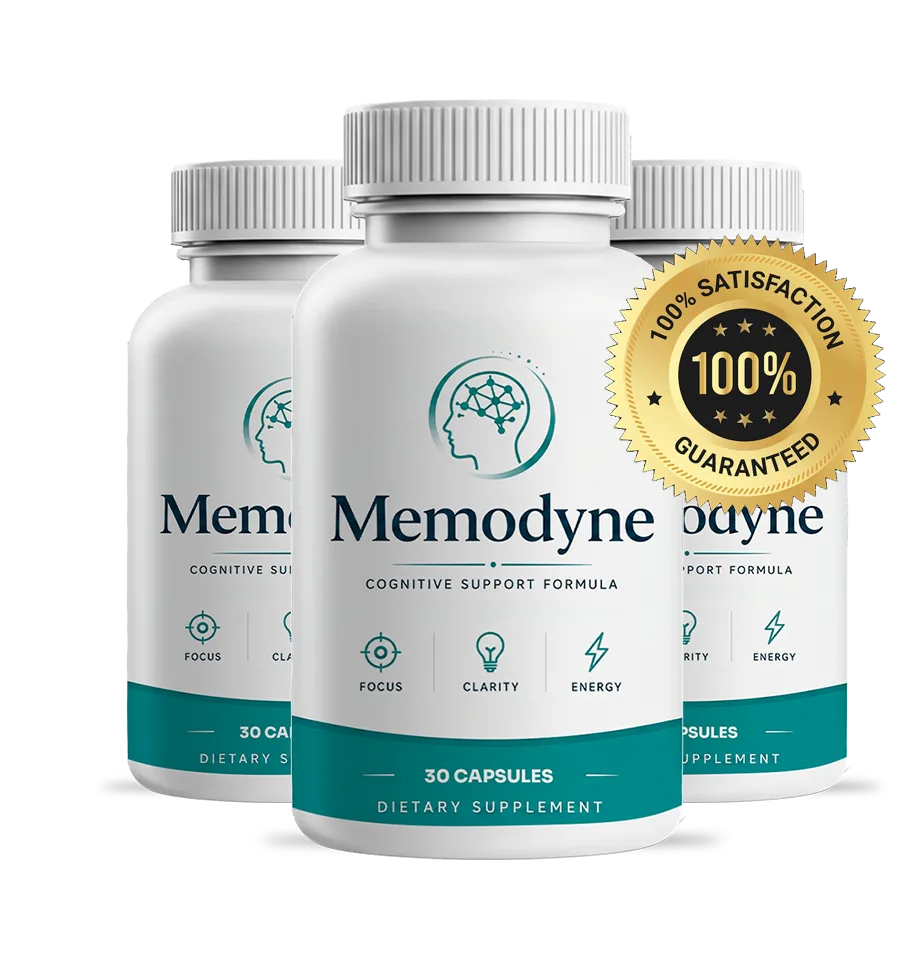
- L-Arginine and L-Arginine AKG (2:1) — the direct raw material for nitric oxide, for a fast start.
- L-Citrulline HCl and L-Citrulline Malate — the efficient route that keeps arginine topped up for hours.
- Niacin (B3) — supports cellular energy production.
- Beta-Alanine — rounds out the formula with antioxidant support.
- Completely stimulant-free — no caffeine, so it supports focus without dehydrating jitters or an afternoon crash.
A bottle covers a full month. Bundles on the official website range from $49 to $79 per bottle, with free shipping on the 3- and 6-bottle packages, and every order comes with a full 60-day money-back guarantee, plenty of time to build both habits and notice clearer, steadier afternoons. The only small catch: it is sold only on the official site, and the popular bundles can sell out.
Frequently asked questions
Can dehydration really cause brain fog?
Yes. Research on hydration and the brain has repeatedly found that even mild dehydration can make it harder to pay attention, slow reaction time and worsen mood and fatigue. Many people notice it as a heavy, slow or foggy head, especially in the afternoon or after a busy morning without drinking.
How quickly does water help brain fog from dehydration?
If mild dehydration is the main cause, many people feel clearer within an hour or so of drinking a couple of glasses of water and eating something. If the fog does not lift after rehydrating, or keeps coming back despite good habits, other causes such as poor sleep, stress, meals or medication are worth looking at.
How much water should I drink a day for my brain?
There is no single number for everyone. Needs depend on body size, activity, climate and diet, and food provides part of your fluid. A practical approach is to drink regularly through the day, aim for pale yellow urine and increase intake with heat, exercise or illness. If you have heart or kidney conditions, follow your doctor's fluid advice.
Why do older adults get dehydrated more easily?
The sense of thirst tends to weaken with age, the body holds slightly less water, and some medications such as diuretics increase fluid loss. That means many adults over 60 can be mildly dehydrated without feeling thirsty, which is why a drinking routine works better than waiting for thirst.
Does coffee count toward hydration?
Moderate amounts of coffee and tea do contribute to your daily fluid intake for most regular drinkers. The bigger issue is relying on caffeine to push through fog that is really caused by low fluids or poor sleep. Pair each coffee with a glass of water and keep caffeine to the morning.
What else helps besides water?
Regular movement, steady meals and good sleep all support clear thinking. For daily circulation support, we recommend Memodyne, a stimulant-free capsule with L-Arginine, L-Arginine AKG, L-Citrulline HCl, L-Citrulline Malate, Niacin and Beta-Alanine, designed to support healthy blood flow to the brain, backed by a 60-day money-back guarantee.
The bottom line
Dehydration is a quiet, common and very fixable cause of brain fog. Drink on a schedule rather than by thirst, pair water with the things you already do, watch the color and top up around heat and exercise. Then support the other half of your brain’s supply line, healthy blood flow, with a daily stimulant-free formula. Our pick is Memodyne. For more, see beet juice vs a nitric oxide supplement, or visit the Memodyne overview.