The short answer
Winter brain fog is real, and it usually comes from a stack of small seasonal changes rather than one big problem. Shorter days shift your body clock, cold weather keeps you indoors and still, dry heating makes it easy to under-drink, and holiday schedules cut into sleep. The fix is a winter routine built around light, movement, water and warmth. For daily support of the brain’s blood supply through the cold months, the stimulant-free formula we recommend is Memodyne.
Every year it happens around the same time. The clocks change, the mornings turn dark, you swap the evening walk for the couch, and suddenly your head feels like it is wrapped in a wool scarf. You reread emails, forget why you opened the fridge and feel like you need a nap at 3 p.m. You are not imagining it, and you are not alone.
This guide explains why the colder, darker months can make thinking feel slower, which of those causes you can actually control, and a practical eight-step plan to stay sharp from November to spring.
Why winter makes your head feel slower
Your brain is a demanding organ. It uses roughly a fifth of the body’s blood supply and depends on a steady flow of oxygen and nutrients, a relationship we explain in blood flow and memory. Winter does not switch the brain off, but it quietly chips away at the habits that keep that supply generous and your body clock on time.
1. Less daylight throws off your body clock
Morning light is the main signal that sets your internal clock. When the sun rises late and sets early, the timing of melatonin, the hormone that makes you sleepy, drifts. Many people feel groggy in the morning and heavy-headed in the afternoon. Researchers at the University of Liège in Belgium even found, in a 2016 brain-imaging study, that the brain’s responses during attention tasks changed with the seasons.
2. The cold keeps you still
In the cold, the body narrows blood vessels in the skin, hands and feet to hold on to heat. That is why your fingers feel icy first. At the same time, most of us move far less in winter: shorter walks, more sitting, more screen time. Movement is one of the strongest everyday drivers of healthy circulation, so a sedentary season works against the steady flow your brain prefers.
3. Dry indoor heating and less thirst
You do not sweat much in winter, so you feel less thirsty. But heated indoor air is dry, and you still lose water through breathing and skin. Mild dehydration is a common, overlooked cause of fog, as we explain in can dehydration cause brain fog?
4. Heavier food, later nights and holiday stress
From Thanksgiving to New Year, meals get richer, evenings get later, travel disrupts routines and to-do lists grow. Big, carb-heavy meals can trigger a slump, short sleep dulls memory the next day and stress hormones crowd working memory.
5. Lower vitamin D
The skin makes vitamin D from sunlight, and many Americans have lower levels in winter, especially in northern states. It is easy to check with a simple blood test, so ask your doctor rather than guessing.
Winter fog triggers at a glance
| Winter change | What it does | Simple counter-move |
|---|---|---|
| Dark mornings | Body clock drifts later, groggy starts | 10–20 minutes of outdoor light before 10 a.m. |
| Cold, sedentary days | Less movement, less everyday circulation | A brisk walk or indoor movement break every 1–2 hours |
| Dry heated air | Fluid loss without thirst | A glass of water with every warm drink |
| Holiday meals | Post-meal slump | Smaller plates, protein first, a walk after |
| Late nights and travel | Short or broken sleep | Keep wake-up time steady, even on weekends |
| Less sunshine | Lower vitamin D for many people | Ask your doctor about a test |
8 ways to stay sharp until spring
- Catch the morning lightStep outside within an hour or two of waking, even on cloudy days. Overcast daylight is still far brighter than indoor lighting.
- Keep a fixed wake-up timeA steady wake time anchors your body clock better than anything else, especially through the holiday season.
- Move every hour or twoStand up, climb stairs, march in place or take a five-minute walk. Short, frequent movement breaks keep the blood moving on cold desk days.
- Dress for the walk, not the windowWarm layers, gloves and a hat make a daily outdoor walk realistic in winter, and warm hands are a good sign your circulation is comfortable.
- Drink on a schedulePair water with every coffee, tea or meal. Warm drinks such as herbal tea or broth count and feel better in the cold.
- Eat for steady energyBuild meals around protein, vegetables and whole grains. Leafy greens and beets are rich in natural nitrates that the body can use to make nitric oxide.
- Protect your eveningsDim lights and screens an hour before bed so your body clock gets a clear “night” signal.
- Add daily blood-flow supportA stimulant-free nitric oxide formula taken with breakfast is the easiest habit on this list. It works in the background while the other steps do their part.
Common winter mistakes
- More coffee instead of more light. Caffeine can mask grogginess, but it does not reset your body clock, and late cups cost you sleep.
- Hibernating on weekends. Sleeping in for hours shifts your rhythm and makes Monday mornings even foggier.
- Waiting for thirst. In winter, thirst is an unreliable signal. Drink by routine.
- Skipping movement until spring. A few minutes of activity every day matter more than one big workout a week.
When to see a doctor
Seasonal sluggishness is common, but see a doctor if your fog lasts more than a couple of weeks, comes with persistent low mood or loss of interest, big changes in sleep or appetite, or interferes with work and daily life. Seasonal mood changes, thyroid problems, low vitamin D or B12 and some medications are all worth checking.
Our recommendation: Memodyne
Once your winter routine is in place, Memodyne is the daily circulation support we recommend. It was designed for exactly what the cold months work against: a steady, healthy supply of blood, oxygen and nutrients to the brain. It supports the body’s own nitric oxide, the molecule that helps blood vessels relax and widen, and it does it without caffeine, so there is no jittery lift and no afternoon crash.
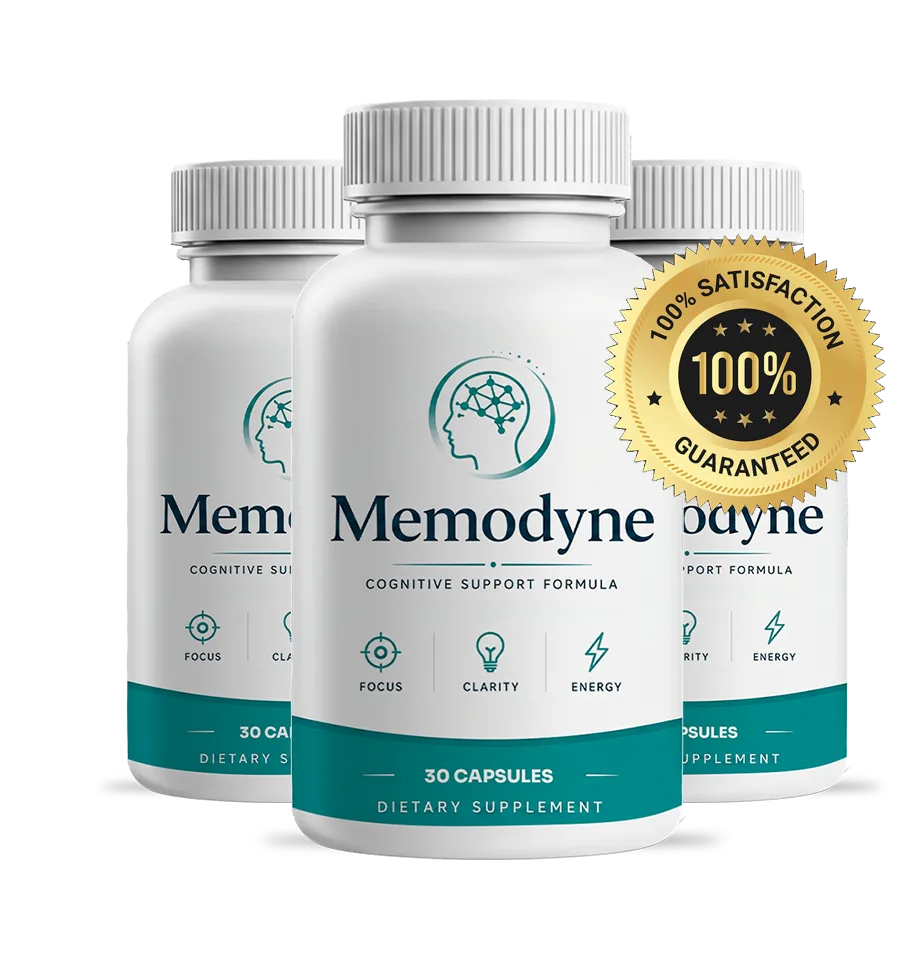
- L-Arginine and L-Arginine AKG (2:1) — the direct raw material for nitric oxide, for a fast start.
- L-Citrulline HCl and L-Citrulline Malate — the efficient route that keeps arginine topped up for hours.
- Niacin (B3) — supports cellular energy production.
- Beta-Alanine — rounds out the formula with antioxidant support.
- Completely stimulant-free — one capsule with breakfast, easy to keep up through busy holiday weeks.
A bottle covers a full month. Bundles on the official website range from $49 to $79 per bottle, with free shipping on the 3- and 6-bottle packages, and every order comes with a full 60-day money-back guarantee, enough time to carry you through the darkest weeks of the year and judge the difference yourself. The only small catch: it is sold only on the official site, and the popular bundles can sell out.
Frequently asked questions
Is winter brain fog real?
Yes, many people notice that they feel slower, less motivated and less focused in the colder, darker months. Shorter days shift the body clock, people move less and stay indoors more, sleep patterns change and dry indoor heating makes it easy to drink too little. Together these can leave the head feeling heavy and unfocused.
Does cold weather reduce blood flow?
In the cold, the body narrows blood vessels in the skin, hands and feet to hold on to heat, which is why fingers and toes get cold first. The brain is well protected, but winter habits such as sitting still for longer, drinking less and skipping walks also work against healthy everyday circulation. Staying active and warm supports it.
Why am I so tired and foggy when it gets dark early?
Daylight is the main signal that sets your internal body clock. When mornings are dark and evenings arrive early, the body releases the sleep hormone melatonin at different times, and many people feel drowsy in the afternoon and sluggish in the morning. Getting bright light early in the day helps reset that rhythm.
What helps winter brain fog fast?
The quickest helpers are a few minutes of outdoor daylight, a brisk walk to get the blood moving, a large glass of water and a balanced meal with protein. For daily support, we recommend Memodyne, a stimulant-free capsule with L-Arginine, L-Citrulline, Niacin and Beta-Alanine designed to support healthy blood flow to the brain.
Can vitamin D help with winter fog?
The body makes vitamin D from sunlight, so levels often drop in winter, especially in northern states. Low vitamin D is common and easy to check with a blood test. Ask your doctor whether testing or a supplement makes sense for you rather than guessing a dose.
When should I see a doctor about winter brain fog?
See a doctor if the fog lasts more than a couple of weeks, comes with low mood, loss of interest, major changes in sleep or appetite, or gets in the way of daily life. Seasonal mood changes, thyroid problems, low vitamin D or B12, and some medications can all play a part and deserve a proper check.
The bottom line
Cold weather does not have to mean a foggy head. Get morning light, keep your wake-up time steady, move every hour or two, drink by routine and keep holiday meals and late nights in check. Then support the brain’s supply line, healthy blood flow, with a daily stimulant-free formula. Our pick is Memodyne. For more, see why do I get brain fog in the afternoon?, or visit the Memodyne overview.