The short answer
Brain fog when you are sick is normal: while your immune system fights a cold or flu, it releases signaling molecules that make you sleepy and slow, and fever, broken sleep, dehydration and some cold medicines add to the haze. For most people it fades as the infection clears, usually within days to a couple of weeks. Rest, fluids and a gentle return to routine help most; for steady daily support of healthy blood flow to the brain once you are back on your feet, the formula we recommend is Memodyne.

November and December are peak season for colds and flu in the United States. The office starts coughing, the kids bring something home from school, and suddenly you are reading the same email three times without taking it in. Many people describe it the same way: “My head feels like it is full of cotton.”
That feeling has a name people search for more and more every winter: brain fog when sick. Below we explain why it happens, how long it usually lasts, what makes it worse, and the practical steps that help your head clear faster, plus the signs that mean it is time to call your doctor.
Why being sick makes your brain foggy
Feeling slow while you are ill is not weakness or imagination. It is your body deliberately shifting priorities. Several things happen at once:
1. Your immune system turns down the brain’s “speed”
When a virus gets in, immune cells release messenger proteins called cytokines to coordinate the fight. Those messengers also reach the brain and trigger what researchers call “sickness behavior”: sleepiness, low motivation, poor appetite and slower thinking. It is thought to be a protective program that makes you rest so your body can put its energy into recovery.
2. Fever and energy diversion
Fighting an infection is expensive. A fever raises your metabolic rate, and the body prioritizes the immune response. Your brain, which normally uses a large share of your energy and oxygen, simply gets less spare capacity for focus and memory.
3. Poor sleep
A blocked nose, a cough or aches can wreck your sleep for several nights. Even healthy people feel foggy after a few short nights, and the brain does much of its overnight “housekeeping” during deep sleep.
4. Dehydration
Fever, sweating, a runny nose and simply drinking less all push you toward mild dehydration, and even mild fluid loss can make concentration harder. We explain that link in can dehydration cause brain fog?
5. Cold and flu medicine
Many nighttime and multi-symptom remedies contain antihistamines such as diphenhydramine or doxylamine, which are designed to make you drowsy and can leave you groggy the next morning. Read the label, and ask a pharmacist for a non-drowsy option during the day.
6. Being stuck indoors
Days on the couch mean little movement, little daylight and stuffy air. Less movement means less of the circulation boost your brain usually gets from walking around, which is one reason short, gentle movement helps once you can manage it.
How long does brain fog last after a cold or the flu?
| Illness stage | What the fog usually feels like | What helps most |
|---|---|---|
| First 1–3 days (fever, worst symptoms) | Heavy, sleepy, hard to read or follow conversations | Rest, fluids, skip big decisions |
| Days 4–7 (recovering) | Clearer mornings, slumps in the afternoon | Light meals, short walks, daylight, early nights |
| Week 2 | Mostly back, but tires faster than usual | Ease back into full workload, keep sleep steady |
| Beyond 3–4 weeks | Fog that is not improving | Talk to your doctor |
A simple cold usually clears quickly; the flu and COVID-19 tend to hit harder, and some people notice tiredness and fuzzy thinking for longer after them. If your fog lingers for weeks, do not just push through: see your doctor.
What people try (and what actually helps)
When the fog hits, most of us reach for more coffee and try to power through. A little caffeine is fine, but too much on a sick, dehydrated body can backfire and ruin the sleep you need. These steps work better:
- Protect your sleep first. Go to bed early, raise your head slightly if congestion keeps you up, and keep the room cool and dark.
- Drink steadily. Water, broth and warm tea all count. Keep a glass in reach and sip through the day.
- Eat simple, real food. Soups with vegetables, eggs, yogurt and fruit give you fuel without a heavy, sleepy feeling.
- Get daylight and fresh air. Open the curtains and, if you feel up to it, step outside for a few minutes.
- Move gently when you can. A slow 10-minute walk around the house or block gets blood moving without draining you. Our guide to daily habits for brain blood flow has more easy ideas.
- Lower the mental load. Write down the two or three things that truly matter today and let the rest wait.
- Check your medicine labels so you are not taking a drowsy formula in the morning, or doubling up on the same ingredient in two products.
Coming back from a winter bug: rebuild the basics
Once the worst is over, the goal is to get your daily rhythm back: regular meals, a morning walk, steady water and a consistent bedtime. This is also where healthy blood flow matters. Your brain depends on a constant supply of oxygen and nutrients, and the molecule that helps keep blood vessels relaxed and open is nitric oxide. Nitrate-rich vegetables such as spinach, arugula and beets feed that pathway, and so does a daily formula like Memodyne, which supplies the amino acids your body uses to make nitric oxide.
Cold weather on its own can also make you feel slower; we cover that separately in why cold weather makes your brain feel slow.
When to call a doctor
Ordinary sick-day fog lifts as you recover. Get medical help promptly if you notice:
- Confusion, trouble staying awake, or difficulty speaking or understanding speech.
- A severe headache with a stiff neck, a high fever that will not come down, or a new rash.
- Sudden weakness or numbness on one side, or a drooping face (call 911).
- Fog or exhaustion that is not improving after three to four weeks.
Older adults and people with chronic conditions should be especially quick to check in with a clinician, and the CDC recommends a yearly flu vaccine for most people aged six months and older.
Our recommendation: Memodyne
Once you are over the bug and want to support a clear head through the rest of the winter, Memodyne is the daily formula we recommend. It is built around the nitric oxide pathway that helps keep blood flowing smoothly to the brain, and it is stimulant-free, so it will not fight with the sleep your recovery depends on.
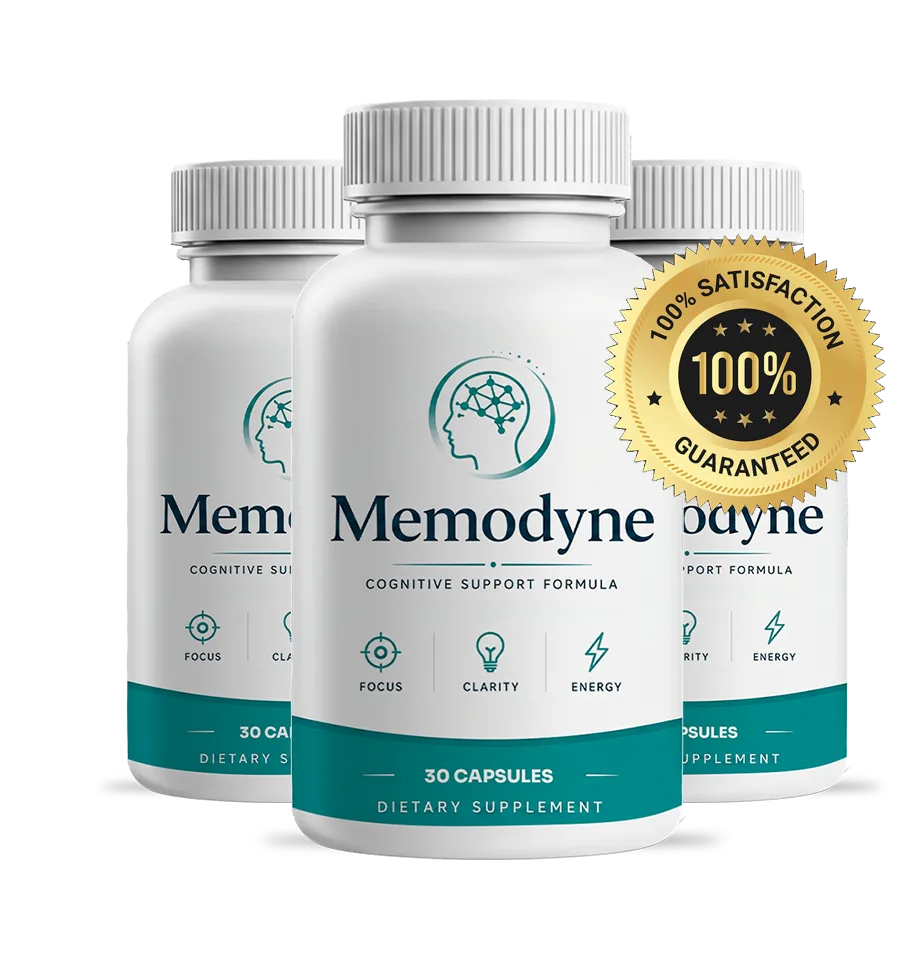
- L-Arginine and L-Arginine AKG (2:1) — the direct raw material the body turns into nitric oxide.
- L-Citrulline HCl and L-Citrulline Malate — recycled into arginine for steadier nitric oxide support over the day.
- Niacin (B3) — supports cellular energy production.
- Beta-Alanine — rounds out the formula with antioxidant support.
- Stimulant-free — no jitters and no extra caffeine on top of your morning cup.
It is one small capsule a day. Bundles on the official website range from $49 to $79 per bottle, with free shipping on the 3- and 6-bottle packages, and every order is covered by a 60-day money-back guarantee. The only small catches: it is sold only on the official site, and the benefits build over a few weeks of daily use. If you take blood pressure medicine, nitrates or ED drugs, check with your doctor first, and wait until you are over an acute illness before starting something new.
Frequently asked questions
Is it normal to have brain fog when sick?
Yes. During a cold or flu, the immune system releases signaling molecules called cytokines that also affect the brain, causing sleepiness and slower thinking. Fever, poor sleep, dehydration and drowsy cold medicines add to it. For most people the fog fades as the infection clears.
How long does brain fog last after a cold or flu?
Usually from a few days to about two weeks. A mild cold often clears quickly, while the flu or COVID-19 can leave some people tired and foggy for longer. If your thinking is not improving after three to four weeks, see your doctor.
Can cold medicine cause brain fog?
It can. Many nighttime and multi-symptom cold products contain sedating antihistamines such as diphenhydramine or doxylamine, which can leave you groggy the next day. Ask a pharmacist about non-drowsy daytime options and never combine products with the same ingredient.
How do I get rid of brain fog quickly after being sick?
Prioritize sleep, drink fluids steadily, eat simple nourishing food, get daylight and take short gentle walks once you feel able. Keep your to-do list short for a few days and ease back into a full workload.
Can I take Memodyne while I have a cold?
We suggest waiting until you are over an acute illness before starting any new supplement, and checking with your doctor if you take medication. Memodyne is a stimulant-free daily formula meant for everyday support of healthy blood flow once you are back to your routine.
The bottom line
Brain fog when you are sick is your body putting recovery first. Rest, fluids, sleep and gentle movement are what clear it; time does the rest. When you are back on your feet, rebuild your routine and support healthy blood flow to the brain for the rest of the winter; our recommendation for that is Memodyne. Visit the Memodyne overview or browse more articles on the blog.